
Vitamin B12 deficiency, driven by dietary patterns and gaps, is a common but overlooked health issue in the UK, causing fatigue, memory loss, and neurological problems. Early detection through precise Vitamin B12 Blood Tests UK enables corrective actions like dietary changes, supplements, or injections to restore healthy nerve cell function, DNA production, and red blood cell formation by maintaining adequate B12 levels (115-680 pg/mL). Timely diagnosis facilitates prompt treatment addressing causes like diet or absorption issues through regular follow-up tests.
Are you at risk of Vitamin B12 deficiency? A simple blood test could be the key to unlocking your health. This comprehensive guide delves into the world of Vitamin B12 testing, explaining how blood tests detect deficiencies and interpret results specific to the UK. Understanding this vital nutrient and its impact on overall health is crucial, especially with readily available Vitamin B12 blood tests in the UK.
- Understanding Vitamin B12 Deficiency
- How Blood Tests Detect Deficiency
- Interpreting and Addressing Results in UK
Understanding Vitamin B12 Deficiency

Vitamin B12 deficiency is a common yet often overlooked health issue, especially in regions like the UK where certain dietary habits and nutritional gaps can contribute to its prevalence. This condition arises when the body lacks adequate levels of vitamin B12, a vital nutrient responsible for maintaining healthy nerve cells, producing DNA, and forming red blood cells.
A Vitamin B12 blood test UK is a straightforward method to diagnose this deficiency. Symptoms may include fatigue, weakness, memory loss, and neurological problems. If left unaddressed, it can lead to severe complications. Fortunately, with early detection through accurate vitamin B12 blood tests, individuals can take appropriate measures to replenish their levels through diet adjustments, supplements, or injections, depending on the severity of the deficiency.
How Blood Tests Detect Deficiency

Vitamin B12 blood tests in the UK are a crucial tool for detecting deficiency, as they measure the levels of this essential vitamin in your bloodstream. These tests typically involve taking a small sample of blood, usually from a vein in your arm, much like a routine health check. The sample is then analysed to determine the concentration of Vitamin B12 present.
The body needs Vitamin B12 for various functions, including maintaining healthy nerves and blood cells. A deficiency can lead to anaemia, neurological issues, and fatigue. By assessing B12 levels, healthcare professionals can identify these deficiencies early on. Accurate diagnosis through a Vitamin B12 blood test UK is essential for timely treatment intervention.
Interpreting and Addressing Results in UK
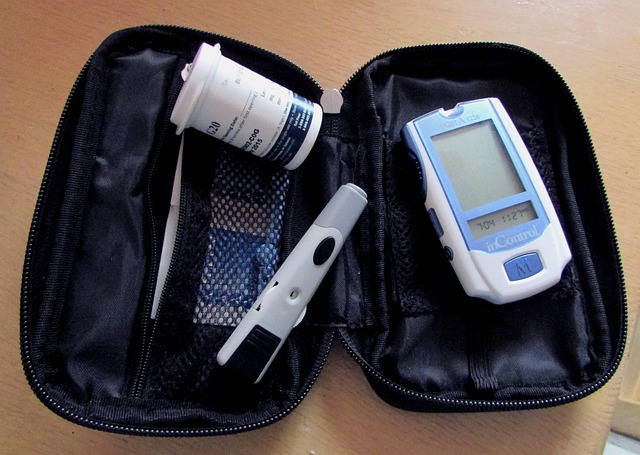
In the UK, interpreting Vitamin B12 blood test results involves understanding the reference ranges provided by healthcare organisations like the NHS. A normal range typically indicates levels between 115-680 pg/mL (picograms per millilitre). If your result falls below this range, it may indicate a deficiency. It’s important to discuss these findings with your healthcare provider who can help address any concerns.
For those with low Vitamin B12 levels, the next step is usually to identify and treat the underlying cause. This could be related to diet, absorption issues, or certain medical conditions. Your doctor may recommend dietary changes, supplements, or injections to raise your Vitamin B12 levels back to a healthy range. Regular follow-up tests can then monitor these levels to ensure effectiveness of the treatment.
Vitamin B12 blood tests, particularly relevant for individuals in the UK, are a crucial tool for detecting and addressing deficiency. By understanding the condition and how blood tests provide accurate insights, people can take control of their health. Whether you’re experiencing symptoms or simply looking to optimize your nutrition, consulting healthcare professionals and interpreting results from reliable sources like those available in the UK are essential steps towards managing and preventing Vitamin B12 deficiency.