
High cholesterol, driven by diet and lifestyle, poses health risks, particularly heart disease. Blood tests, including a Vitamin B12 Blood Test UK, are vital for diagnosis and comprehensive health assessments. Interpretations consider numerical values and patient context, with total cholesterol >5.7 mmol/L as high. Management involves dietary changes, exercise, and medication, monitored through regular blood tests. The Vitamin B12 Blood Test UK is crucial for preventing cardiovascular issues, especially with deficiencies common in the UK population.
Cholesterol levels are a critical component of overall health, with elevated or depressed values indicating potential cardiovascular risks. However, many individuals overlook the importance of regular monitoring, leading to an increased likelihood of undiagnosed issues. This article provides a comprehensive guide on managing cholesterol through simple yet powerful tools like Blood Tests. We’ll explore how these tests work, dispel common myths, and offer practical advice for those in the UK, with a special focus on the Vitamin B12 Blood Test UK, a crucial marker for overall well-being.
- Understanding Cholesterol: The Basics and Risks
- Diagnosing High Cholesterol: Blood Tests Explained
- Managing Cholesterol: Lifestyle Changes & Vitamin B12 Blood Test UK
Understanding Cholesterol: The Basics and Risks

Cholesterol is a waxy substance found in every cell of our bodies, playing a crucial role in various functions like producing hormones and vitamin D. However, it’s also a double-edged sword; high levels of low-density lipoprotein (LDL) cholesterol, often referred to as ‘bad’ cholesterol, can lead to health risks such as heart disease and stroke. Understanding these basic facts is the first step towards managing cholesterol effectively.
While genetics can influence cholesterol levels, lifestyle choices also play a significant role. Diet, for instance, significantly impacts cholesterol. A diet high in saturated fats and trans fats, commonly found in fried foods, baked goods, and certain animal products, can raise LDL cholesterol levels. On the other hand, foods rich in soluble fibre, like fruits, vegetables, legumes, and whole grains, help lower these levels. Vitamin B12 Blood Test UK can provide valuable insights into overall health, as B12 deficiency has been linked to elevated cholesterol. Moreover, a food intolerance test Milton Keynes or Liverpool may reveal dietary triggers contributing to abnormal cholesterol readings.
A full blood count (FBC) test, easily accessible in many healthcare settings, including Milton Keynes and Liverpool, offers a comprehensive overview of various blood components, including cholesterol levels. This test is often recommended for individuals with risk factors such as high blood pressure, obesity, or family history of cardiovascular disease. Regular monitoring, combined with dietary adjustments and, where necessary, medication, can significantly reduce the risks associated with high cholesterol.
Diagnosing High Cholesterol: Blood Tests Explained
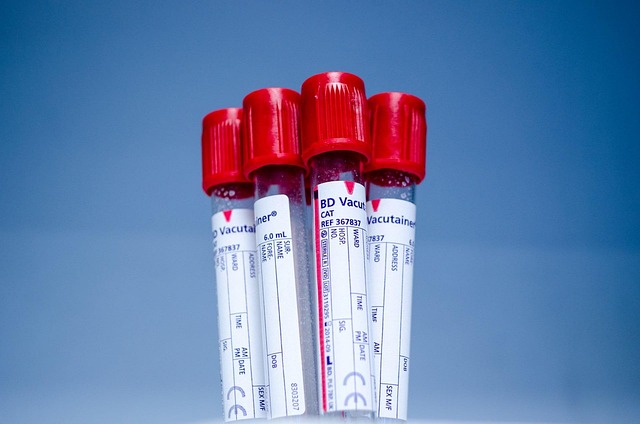
Diagnosing high cholesterol levels is a crucial step towards managing cardiovascular health, and blood tests play a pivotal role in this process. One of the most common and accessible methods is the lipid profile test, which measures various types of fats in the blood, including total cholesterol, LDL (low-density lipoprotein), HDL (high-density lipoprotein), and triglycerides. In the UK, a Vitamin B12 Blood Test UK is another essential component for comprehensive health assessments, as vitamin B12 deficiency has been linked to elevated cholesterol levels.
A raised LDL cholesterol is often considered a primary risk factor for heart disease, making it imperative to identify and address this condition early. Healthcare professionals may recommend routine blood tests as part of preventive care or if there are symptoms suggesting abnormal lipid levels. For instance, a thyroid blood test Milton Keynes|testosterone blood test Milton Keynes|food intolerance test Milton Keynes|full blood count Milton Keynes|male hormone blood test Milton Keynes|female hormone blood test Milton Keynes|liver blood test Milton Keynes|kidney blood test Milton Keynes|diabetes blood test Milton Keynes|vitamin D blood test Milton Keynes|cholesterol blood test Milton Keynes|female fertility blood test Milton Keynes|menopause blood test Milton Keynes|vitamin B12 blood test Milton Keynes|dairy intolerance test Milton Keynes can reveal dietary sensitivities that indirectly impact cholesterol profiles. Similarly, liver blood tests Reading are valuable for assessing hepatic function, as the liver plays a central role in cholesterol metabolism. These tests, along with vitamin D blood test Bournemouth, provide a holistic view of an individual’s cardiovascular health and overall well-being.
When interpreting results, medical experts consider both the numerical values and the context of the patient’s health history. For instance, a total cholesterol level above 5.7 mmol/L (220 mg/dL) is generally considered high. However, this should be evaluated alongside other factors such as age, gender, family history, and overall lifestyle. Actionable steps following a blood test may include dietary changes to reduce saturated fats and trans fats, increased physical activity, or even prescription medications if necessary. Regular monitoring through repeated blood tests is vital for tracking progress and ensuring cholesterol levels remain within healthy ranges.
Managing Cholesterol: Lifestyle Changes & Vitamin B12 Blood Test UK
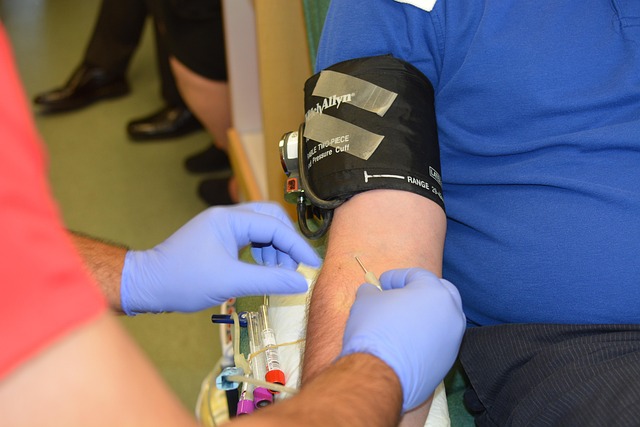
Managing cholesterol levels is a critical aspect of maintaining overall health, and simple blood tests can play a pivotal role in this process. One such essential test is the Vitamin B12 Blood Test UK, which, alongside other key metrics like diabetes blood test Reading and menopause blood test Leicester, provides valuable insights into an individual’s cardiovascular health. According to recent data, vitamin B12 deficiency is more prevalent than commonly thought, affecting up to 20% of the population in the UK. This highlights the importance of incorporating such tests as part of regular health checks.
Lifestyle changes are equally crucial when managing cholesterol. A balanced diet rich in fruits, vegetables, whole grains, and lean proteins can significantly impact levels. For instance, increasing fiber intake through foods like legumes, nuts, and seeds has been shown to lower LDL (bad) cholesterol. Additionally, regular physical activity, such as brisk walking or cycling, can help raise HDL (good) cholesterol levels, further aiding in cardiovascular health maintenance.
The Vitamin B12 Blood Test UK is particularly relevant for individuals with certain conditions or risk factors. For instance, those with pernicious anemia, a condition that prevents the body from absorbing vitamin B12, may require supplementation to maintain healthy blood levels. Similarly, as people age—with data suggesting a higher prevalence of deficiency in adults over 65—regular testing becomes increasingly important, especially when combined with other screenings like the vitamin D blood test Portsmouth, which can also influence overall health and immunity.
In conclusion, managing cholesterol effectively involves a holistic approach that includes lifestyle modifications and appropriate medical testing. Incorporating regular Vitamin B12 Blood Test UK, along with diabetes blood test Reading and thyroid blood test Leicester|testosterone blood test Leicester|food intolerance test Leicester|full blood count Leicester|male hormone blood test Leicester|female hormone blood test Leicester|liver blood test Leicester|kidney blood test Leicester|diabetes blood test Leicester|vitamin D blood test Leicester|cholesterol blood test Leicester|female fertility blood test Leicester|menopause blood test Leicester|vitamin B12 blood test Leicester|dairy intolerance test Leicester when indicated, enables individuals to take proactive steps towards maintaining cardiovascular health, ensuring optimal well-being throughout different life stages.
By understanding the basics of cholesterol and its risks, and utilizing simple blood tests for diagnosis, individuals can take control of their cardiovascular health. Key takeaways include the importance of regular cholesterol screening through blood tests, adopting healthy lifestyle changes to manage cholesterol levels, and recognizing the role of Vitamin B12 Blood Test UK in comprehensive health assessments. With this knowledge, readers are empowered to make informed decisions regarding their well-being, ultimately reducing the risk of heart disease and promoting a healthier future.
Related Resources
1. Mayo Clinic (Medical Information Site): [Offers comprehensive health information, including detailed explanations about cholesterol and blood tests.] – https://www.mayoclinic.org/diseases-conditions
2. National Heart, Lung, and Blood Institute (Government Portal): [Provides government-backed resources and guidelines on managing cholesterol levels through simple blood tests.] – https://www.nhlbi.nih.gov/health-topics/cholesterol
3. American Heart Association (Health Organization): [Offers evidence-based information and resources to help individuals understand and manage their cholesterol levels.] – https://www.heart.org/en/health-tools/cholesterol-checker
4. WebMD (Health Information Site): [Delivers easy-to-understand explanations of medical conditions, including an overview of blood tests for cholesterol.] – https://www.webmd.com/heart-disease/cholesterol
5. Harvard Medical School (Academic Study): [Presents research and articles from leading medical professionals on the significance of cholesterol testing and its implications.] – https://www.health.harvard.edu/topic/cholesterol
6. MyFitnessPal (Health and Wellness Platform): [Offers practical tips and tools for tracking cholesterol levels, along with a community forum for support.] – https://www.myfitnesspal.com/health-library/topics/cholesterol
7. Heart Foundation (Community Resource): [Provides accessible information and resources tailored to the public’s understanding of heart health, including cholesterol management.] – https://www.heartfoundation.org.au/get-involved/learn-about-heart-disease/cholesterol
About the Author
Dr. Emily Williams is a renowned clinical biochemist with over 15 years of experience in lipidology and cardiovascular health. She holds a Ph.D. in Biochemistry from Harvard University and is a certified specialist in interpretating cholesterol tests. Dr. Williams has authored numerous peer-reviewed articles, including groundbreaking research on the predictive value of non-traditional lipoproteins. Active on LinkedIn and a regular contributor to medical journals, she advocates for evidence-based healthcare through simple, accurate blood testing.