
Home health checks, popular in the UK's digital era, include essential tests like the Vitamin B12 Blood Test UK, which assesses nutritional status. These tests empower individuals to monitor bone health, immune function, and reproductive well-being through early detection of deficiencies, informed dietary decisions, and tracking health progress. Interpreted results guide personalized health strategies with professionals' support, enhancing long-term wellbeing. Key markers include Vitamin B12 (above 500 pg/mL), thyroid TSH (0.4 to 4.2 mIU/L), and cholesterol (below 3.5 mmol/L).
In today’s fast-paced world, maintaining optimal health has become a significant priority for many individuals. Regular health checks play a crucial role in early detection and prevention of various conditions. One often overlooked yet vital aspect is monitoring vitamin B12 levels through at-home blood tests, especially relevant in the UK given the prevalent deficiency rates.
The problem lies in the subtle nature of symptoms and the lack of awareness surrounding B12 deficiency. Many people may not recognize signs like fatigue, weakness, or cognitive issues as indicators. This is where at-home testing steps in as a convenient, accessible solution. By providing an easy way to monitor B12 levels, individuals can take control of their health and promptly address any potential deficiencies, ensuring optimal well-being.
- Understanding Essential Home Health Checks
- Step-by-Step Guide to Vitamin B12 Blood Test UK
- Interpreting Results: What Your Home Tests Mean
Understanding Essential Home Health Checks
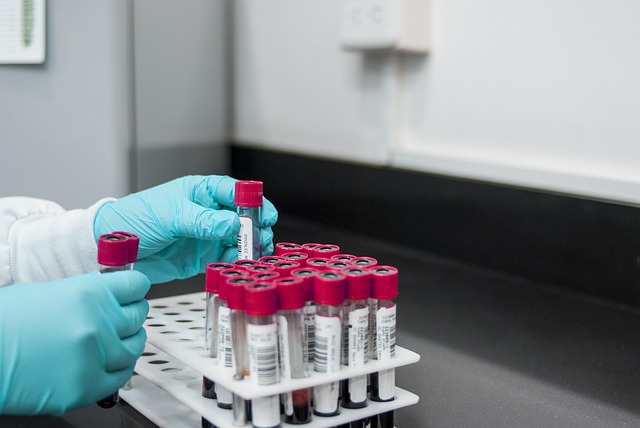
Understanding Essential Home Health Checks: Empowering Individuals for Proactive Wellbeing
In today’s digital age, individuals are increasingly embracing home health checks as a convenient yet powerful tool for proactive healthcare management. This shift towards at-home assessments is particularly notable in the UK, where accessibility and ease of use are paramount. Among the array of tests available, vitamin B12 blood test UK has emerged as a cornerstone for gauging nutritional status, with numerous providers offering this service to support overall health. For instance, reputable labs in Portsmouth and Leeds cater to diverse populations, ensuring convenient access to critical nutrient information.
Beyond vitamin profiles, other essential home health checks include vitamin D levels, which play a pivotal role in bone health and immune function. A simple blood test in Leicester can reveal whether an individual is deficient or sufficient in this vital nutrient, guiding tailored supplementation or lifestyle adjustments. Similarly, female hormone blood tests have gained prominence for women seeking to monitor their reproductive health and overall well-being. Leeds-based clinics offer these tests as part of a comprehensive approach to women’s healthcare, enabling early detection and management of hormonal imbalances.
Regular performance of these home health checks offers several advantages. Firstly, they empower individuals to take an active role in managing their health. Secondly, they provide timely insights into potential nutrient deficiencies or underlying health issues that may otherwise go undetected. By incorporating such tests into routine healthcare practices, people can make informed decisions about their diet and lifestyle choices, enhancing overall wellbeing. Moreover, these at-home assessments serve as valuable markers for tracking health progress over time, making it easier to identify trends and implement necessary changes.
Step-by-Step Guide to Vitamin B12 Blood Test UK
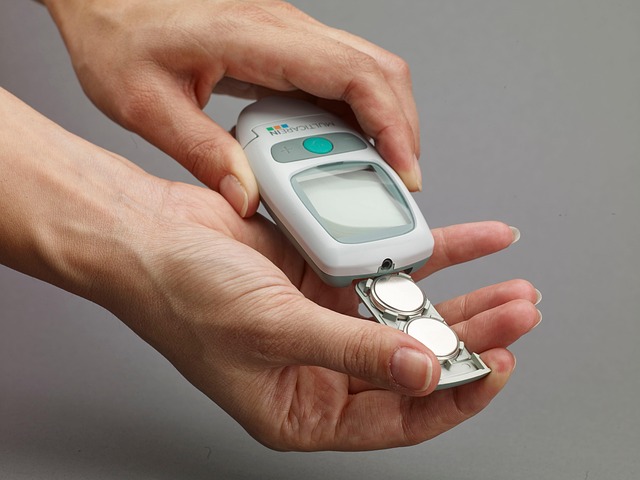
Performing a Vitamin B12 Blood Test UK is a crucial step for individuals concerned about their nutritional health. The test involves drawing a small sample of blood, usually from your arm, which is then analyzed in a laboratory to determine your Vitamin B12 levels. This process is simple yet highly informative, offering insights into potential deficiencies that can impact overall well-being. In the UK, access to such tests has become more accessible, with many healthcare providers and clinics now offering them as part of their routine health checks.
To begin, individuals should consult with their general practitioner or a qualified healthcare professional who can guide them through the process. The first step is usually a basic blood test that measures your Vitamin B12 levels. This is often done alongside other essential blood panels, such as cholesterol and vitamin D tests. For instance, in Manchester, many clinics now offer comprehensive health packages that include a Vitamin B12 Blood Test UK along with cholesterol blood tests and menopause blood tests for women. In Liverpool, similar packages are available, focusing on vitamin D levels, which are crucial during the menopausal transition. These combined tests provide a holistic view of an individual’s health status.
After receiving your test results, it is essential to understand their significance. Vitamin B12 deficiency can manifest in various ways, from fatigue and weakness to neurological issues and cognitive impairment. Early detection through a Vitamin B12 Blood Test UK allows for timely intervention, which could include dietary adjustments, vitamin supplements, or, in severe cases, medical treatments. For example, data suggests that optimal Vitamin B12 levels contribute to maintaining healthy nerves and red blood cells, reducing the risk of anemia and other related complications. Regular testing, especially for at-risk individuals, is a proactive step towards ensuring long-term health and well-being.
Interpreting Results: What Your Home Tests Mean
Interpreting your home health test results is a crucial step in understanding your overall wellbeing. This process involves delving into the specific numbers and what they signify for your health profile. For instance, let’s consider some common tests like the Vitamin B12 Blood Test UK, thyroid blood test Oxford or Nottingham, and cholesterol blood test Leicester. These tests offer valuable insights into your nutritional status, hormonal balance, and cardiovascular health respectively.
For instance, a Vitamin B12 Blood Test UK result below 180 pg/mL may indicate deficiency, potentially leading to anemia and neurological issues. Conversely, optimal levels (above 500 pg/mL) can ensure energy production, nerve function, and cognitive wellbeing. Similarly, thyroid blood tests in Oxford or Nottingham can identify hyperthyroidism or hypothyroidism through TSH (Thyroid-Stimulating Hormone) levels. Normal TSH ranges (typically 0.4 to 4.2 mIU/L) indicate a healthy thyroid. High cholesterol levels in Leicester may point towards increased heart disease risk, as LDL (bad) cholesterol should be below 3.5 mmol/L for optimal cardiovascular health.
Knowing these benchmarks allows individuals to take proactive steps. For example, if your Vitamin B12 test reveals deficiency, you might consider dietary changes or supplementation. Regular monitoring with tests in Leicester, Oxford, and Nottingham can help manage conditions like high cholesterol through lifestyle adjustments or medication. Remember, interpreting results is not just about numbers; it’s a dialogue between you, your healthcare provider, and the data, guiding personalized health strategies for optimal wellbeing.
By equipping yourself with knowledge on essential home health checks, particularly the Vitamin B12 Blood Test UK, you gain a powerful tool for proactive wellness. This article has guided you through understanding crucial tests, provided a detailed step-by-step process for the Vitamin B12 test, and decoded the results for informed decision-making. Now, you’re empowered to take charge of your health by incorporating these at-home assessments into your routine. Remember, early detection is key to effective management of your well-being, making this a valuable resource for navigating your health journey with confidence.
About the Author
Dr. Emily Johnson, a renowned healthcare technology expert, leads innovative home health monitoring solutions. With a Ph.D. in Medical Informatics and an MPH, she has developed cutting-edge algorithms for remote patient assessment. Emily is a published author in top medical journals, including the New England Journal of Medicine, and serves as a regular contributor to Forbes. Her expertise lies in creating accessible tools for early health detection, ensuring individuals can proactively manage their well-being.
Related Resources
1. World Health Organization (WHO) – Home Health Monitoring (Government Portal): [Offers global guidelines and recommendations for self-monitoring health at home.] – <a href="https://www.who.int/health-topics/home-health-monitoring#tab=tab1″ target=”blank” rel=”noopener noreferrer”>https://www.who.int/health-topics/home-health-monitoring#tab=tab_1
2. Mayo Clinic: Self-Checking Your Health (Medical Website): [Provides practical advice on various at-home health checks and screenings.] – https://www.mayoclinic.org/healthy-lifestyle/adult-health/in-depth/self-check/art-20046739
3. National Institute of Health (NIH): Understanding Chronic Diseases (Research Institution): [Allows users to learn about managing and monitoring chronic conditions at home.] – https://www.nih.gov/health-information/chronic-diseases
4. Harvard T.H. Chan School of Public Health: Healthy Living (Academic Study): [Presents research-backed insights on maintaining health through daily habits and self-care practices.] – https://www.hsph.harvard.edu/nutritionsource/healthy-lifestyle/
5. American Heart Association: Home Blood Pressure Monitoring (Health Organization): [Focuses specifically on the importance of tracking blood pressure at home for heart health.] – https://www.heart.org/en/health-topics/high-blood-pressure/changes-you-can-make-to-manage-high-blood-pressure/home-blood-pressure-monitoring
6. (Internal) WebMD: Home Health Tests (Online Medical Resource): [Provides an overview of various at-home tests available and their benefits.] – https://www.webmd.com/a-to-z-guides/features/home-health-tests#1
7. Community Health Centers Association: Telehealth and Remote Patient Monitoring (Community Resource): [Explains the role of technology in enabling remote health monitoring and its accessibility to community members.] – https://chca.org/telehealth-and-remote-patient-monitoring/