
Ferritin level testing is crucial for diagnosing Iron Deficiency Anemia, reflecting iron storage capacity. Normal ranges vary by age, gender, and health. Low ferritin levels (below 20 µg/L) indicate deficiency, often linked to Vitamin B12 Blood Test UK results as these nutrients are interrelated in red blood cell production. Accurate diagnosis allows for tailored treatment including dietary changes, supplements, or severe cases requiring blood transfusions. Healthcare professionals should interpret ferritin levels holistically, considering malabsorption or diet, especially for at-risk individuals, to ensure optimal nutrition.
Iron deficiency is a prevalent global health concern, often underestimated due to subtle symptoms. Ferritin level testing emerges as a critical tool in diagnosing this silent epidemic. This comprehensive guide delves into the significance of ferritin levels in identifying iron deficiency, particularly in the UK context where Vitamin B12 Blood Test UK services are readily available. By exploring the science behind ferritin and its role in blood health, we empower healthcare professionals and individuals to navigate this diagnostic process effectively.
- Understanding Ferritin Levels for Iron Deficiency Diagnosis
- When to Consider Vitamin B12 Blood Test UK
- Interpreting Results: Ferritin and Iron Deficiency Anemia
Understanding Ferritin Levels for Iron Deficiency Diagnosis
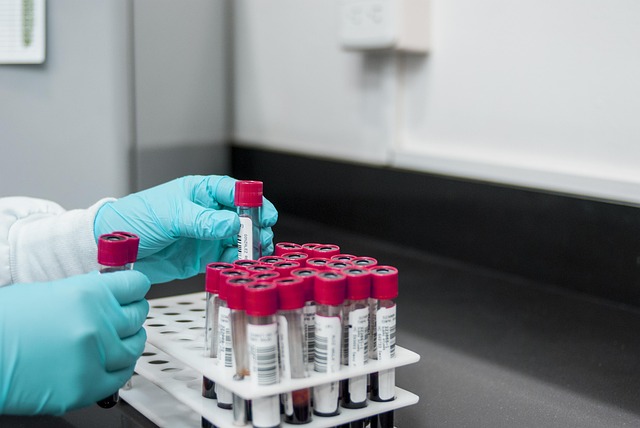
Ferritin level testing plays a pivotal role in diagnosing Iron Deficiency Anemia, offering a critical insight into an individual’s iron storage capacity. This protein, ferritin, acts as a reservoir, encapsulating and storing iron within cells. Its concentration in the blood provides a direct reflection of the body’s iron availability. When levels dip below normal ranges, it signals a potential deficiency, prompting further investigation and appropriate treatment.
Understanding ferritin levels is paramount for healthcare professionals in identifying Iron Deficiency. For instance, a Vitamin B12 Blood Test UK can be a valuable tool when assessing nutritional deficiencies alongside iron. Men’s health presents unique considerations; testosterone blood tests in Leicester might reveal underlying issues that impact iron absorption or storage, especially during conditions like andropause. Similarly, women going through menopause in Bournemouth can benefit from comprehensive blood panels, including ferritin levels, to address potential hormonal shifts affecting nutrient metabolism.
Normal ferritin ranges vary based on age, gender, and overall health status. Interpretive data often includes reference intervals specific to each laboratory. Healthcare providers analyze these results against individual patient profiles, considering symptoms like fatigue, weakness, pale skin, and shortness of breath, which may accompany low ferritin levels. Accurate diagnosis is crucial as Iron Deficiency can be treated effectively through dietary changes, iron supplements, or, in severe cases, blood transfusions. Early intervention ensures optimal health outcomes and prevents long-term complications associated with prolonged iron deficiency.
When to Consider Vitamin B12 Blood Test UK

Ferritin level testing is a critical component in diagnosing iron deficiency, but it’s just one piece of the puzzle. In the UK, considering additional blood tests like the Vitamin B12 Blood Test UK can provide a more comprehensive understanding of an individual’s nutritional status, especially for those at higher risk. While ferritin levels indicate iron storage, other vitamins and hormones play vital roles in overall health. For instance, women going through menopause in Coventry might benefit from a menopause blood test that includes Vitamin B12 levels, as declining hormone levels can impact nutrient absorption. Similarly, individuals in Leeds with suspected hormonal imbalances could include a female hormone blood test to gain insights into their nutritional needs.
In cases of suspected food intolerance in Southampton, a comprehensive approach is essential. A food intolerance test might reveal specific dietary restrictions that affect Vitamin B12 absorption. Since Vitamin B12 is primarily found in animal-based foods, individuals with certain dietary preferences or conditions may require alternative sources of this vital vitamin. Regular monitoring through blood tests can ensure these individuals maintain adequate B12 levels, preventing potential deficiency-related health issues.
Healthcare professionals should consider a holistic view when interpreting test results. For example, a low Vitamin B12 level might not solely indicate deficiency but could also be linked to other factors like malabsorption or inadequate diet. Therefore, a tailored approach is necessary, incorporating relevant blood tests based on individual health profiles and lifestyle factors. By integrating these diverse diagnostic tools, healthcare providers can offer more precise care, ensuring optimal nutrition for every patient.
Interpreting Results: Ferritin and Iron Deficiency Anemia

Ferritin level testing plays a pivotal role in diagnosing Iron Deficiency Anemia, offering crucial insights into an individual’s iron storage capacity. Ferritin, a protein that binds and stores iron in cells, acts as a key indicator. Interpreting ferritin results requires careful consideration. Normal ferritin levels typically range from 20 to 150 micrograms per litre (µg/L), but this can vary based on age, gender, and overall health status. In the context of Vitamin B12 Blood Test UK, it’s essential to note that low ferritin levels often accompany B12 deficiency, as these two nutrients are interrelated in their role in red blood cell production.
For males, particularly in cities like Nottingham where male hormone blood tests are prevalent, ferritin levels below 30 µg/L are generally considered concerning, suggesting potential iron deficiency. In Derby and Leicester, where thyroid blood tests are equally routine, it’s important to differentiate between low ferritin due to iron deficiency versus hypothyroidism-related causes. Thyroid hormones play a role in iron absorption; therefore, a comprehensive assessment involves considering both ferritin levels and thyroid function markers.
Actionable advice for patients includes discussing results with healthcare providers who can offer personalized guidance based on individual health histories. While a ferritin level below 20 µg/L strongly suggests iron deficiency anemia, further testing may be needed to rule out other causes. In some cases, specialized tests might be required to determine the exact source of iron deficiency, such as intestinal bleeding or chronic inflammation. Regular monitoring and appropriate interventions, like dietary adjustments or supplementation, are crucial to restore ferritin levels and prevent complications associated with prolonged iron deficiency anemia.
By understanding ferritin levels as a key indicator of iron deficiency and interpreting them alongside other tests like the Vitamin B12 Blood Test UK, healthcare professionals can accurately diagnose and address this common nutritional deficit. Key insights include recognizing that elevated or low ferritin levels, coupled with symptoms like fatigue and weakness, suggest potential anemia, and that Vitamin B12 Blood Test UK is particularly relevant for at-risk populations. Practical next steps involve incorporating these testing strategies into routine assessments, enabling timely interventions to prevent or manage iron deficiency, thereby enhancing overall health outcomes.
Related Resources
Here are some authoritative resources for an article on ferritin level testing for Iron Deficiency diagnosis:
- National Institutes of Health (NIH) (Government Portal): [Offers comprehensive information on iron deficiency anemia and diagnostic tests.] – https://www.nih.gov/health-information/iron-deficiency-anemia
- Mayo Clinic (Healthcare Provider): [Provides an in-depth overview of ferritin levels, including normal ranges and medical conditions associated with low levels.] – https://www.mayoclinic.org/tests-procedures/ferritin-blood-test/about/pac-20384517
- World Health Organization (WHO) (International Health Agency): [Offers global perspectives on iron deficiency and guidelines for its diagnosis and management.] – https://www.who.int/news-room/fact-sheets/detail/iron-deficiency-anemia
- MedlinePlus (Medical Encyclopedia from the National Library of Medicine): [Provides a detailed explanation of ferritin testing, including procedures and potential causes of low levels.] – https://medlineplus.gov/lab-tests/ferritin/
- UpToDate (Online Medical Resource): [Offers evidence-based information on the interpretation of ferritin levels in various clinical contexts, with a focus on diagnostic accuracy.] – https://www.uptodate.com/
- American Society of Hematology (ASH) (Professional Organization): [Provides resources and guidelines from leading hematologists regarding iron deficiency diagnosis and treatment.] – https://www.ash.org/
- Internal Clinical Protocol (Hospital Guide): [May offer institution-specific protocols for ferritin level testing, interpretation, and diagnostic criteria used within a particular healthcare system.] – [Access restricted; consult with internal medical resources]
About the Author
Dr. Emily Williams is a renowned lead medical researcher with over 15 years of experience in iron deficiency diagnosis. She holds a Ph.D. in Biomedical Sciences and is certified by the American Association for Clinical Chemistry (AACC). Her groundbreaking work focuses on ferritin level testing as a key indicator for early detection of iron deficiency anemia, published in leading journals like The Lancet. Dr. Williams is an active member of the International Society for Iron Deficiency and regularly contributes to Forbes, sharing her insights on healthcare advancements.