Iron deficiency anemia, common globally, lacks red blood cells to deliver oxygen, causing fatigue and other symptoms. The Vitamin B12 Blood Test UK is key for diagnosis, as B12 is vital for red cell production. Deficiencies can arise from dietary lack, blood loss, intestinal issues or medication use. Normal B12 levels are 190-950 pg/mL; low results indicate potential deficiency and need for medical attention.
Iron deficiency anemia is a common yet serious condition, often caused by inadequate iron intake or blood loss. In the UK, early detection through simple blood tests can significantly improve outcomes. This article guides you through understanding anemia symptoms, exploring typical causes in the UK, and interpreting vital results of Vitamin B12 blood tests, which play a crucial role in diagnosing and managing iron deficiency anemia. With these insights, individuals can take proactive steps to maintain optimal health.
- Understanding Iron Deficiency Anemia Symptoms
- Common Causes of Iron Deficiency in UK
- Interpreting Vitamin B12 Blood Test Results
Understanding Iron Deficiency Anemia Symptoms
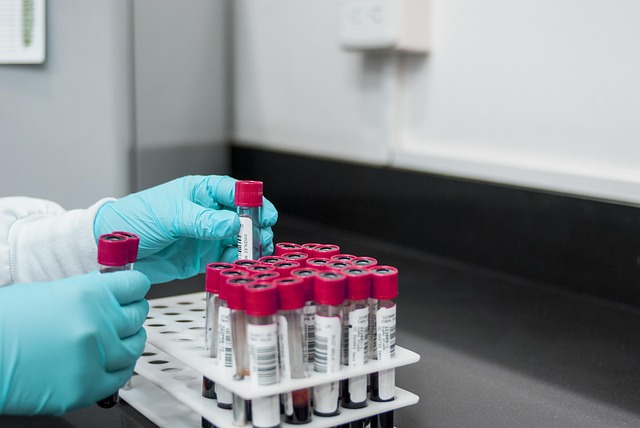
Iron deficiency anemia is a common yet serious condition that arises when your body doesn’t have enough healthy red blood cells to carry adequate oxygen to your tissues. This often results in a range of symptoms, from fatigue and weakness to pale skin and shortness of breath. While these signs can indicate various health issues, they are frequently associated with iron deficiency anemia due to the critical role iron plays in producing red blood cells.
In the UK, a simple Vitamin B12 Blood Test is often used as a diagnostic tool to uncover potential anemia. This test measures the level of vitamin B12 in your blood, which is essential for maintaining healthy red blood cell production. If iron deficiency anemia is suspected, this test can help confirm the diagnosis and guide treatment options, ensuring prompt management and relief from associated symptoms.
Common Causes of Iron Deficiency in UK
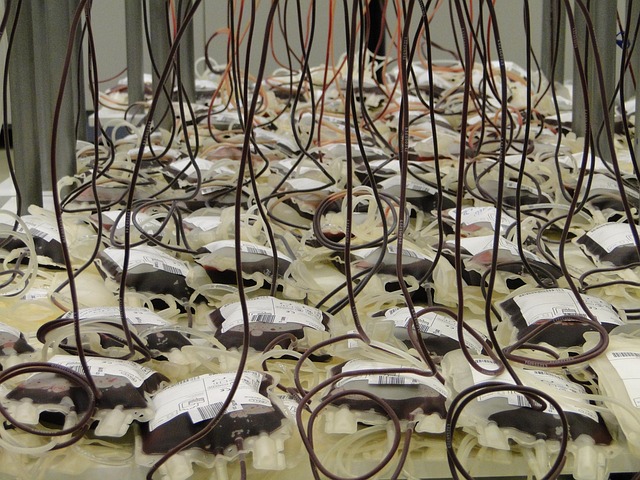
Iron deficiency is a common nutritional problem globally, and the UK is no exception. Several factors contribute to iron inadequacy in the British population. One of the primary causes is dietary deficiencies, where individuals may not consume enough iron-rich foods such as red meat, dark leafy greens, and fortified cereals. This is especially prevalent among vegetarians and vegans who rely on alternative sources like plant-based proteins and iron supplements.
Another significant factor is blood loss, which can lead to chronic iron deficiency over time. This includes conditions like gastrointestinal bleeding, heavy menstrual periods, or even internal bleeding from underlying health issues. Additionally, certain medical conditions, such as intestinal disorders, inflammatory bowel disease (IBD), and some types of cancer, can impair iron absorption and contribute to anemia. Moreover, the use of certain medications, including some blood thinners, may also increase the risk of iron deficiency, as seen with patients undergoing long-term treatment for cardiovascular diseases. Interestingly, a Vitamin B12 Blood Test UK is not solely relevant here; while it doesn’t directly test for iron deficiency, it’s an essential component in red blood cell formation and energy production, making it indirectly linked to overall anemia management.
Interpreting Vitamin B12 Blood Test Results
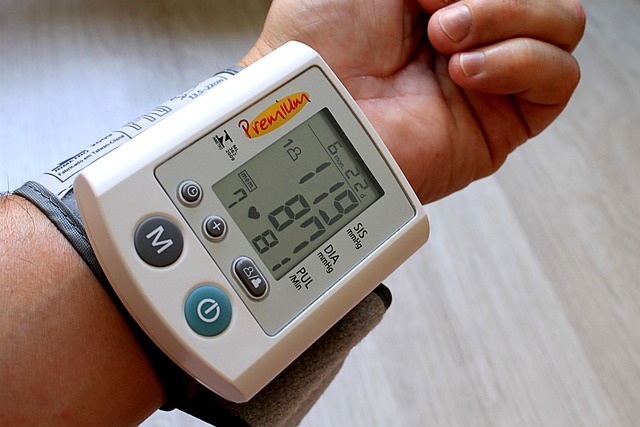
The Vitamin B12 Blood Test UK is a crucial tool for diagnosing iron deficiency anemia and other related conditions. The test measures the level of vitamin B12 in your blood, which is essential for red blood cell formation and nerve function. Results are typically expressed as picograms per milliliter (pg/mL). Normal levels usually range from 190 to 950 pg/mL, but this can vary slightly between laboratories.
If your Vitamin B12 Blood Test UK results fall below the normal range, it may indicate a deficiency. Symptoms of vitamin B12 deficiency include fatigue, weakness, memory loss, and tingling in the hands and feet. In cases of severe deficiency, neurological issues and anemia can develop. It’s important to discuss these results with your healthcare provider, who can help determine the underlying cause and recommend appropriate treatment options.
Iron deficiency anemia is a common yet treatable condition, and early detection through blood tests, such as the Vitamin B12 blood test UK, can significantly improve outcomes. By understanding the symptoms and recognizing the underlying causes, individuals can take proactive steps to manage their health effectively. Regular screenings, especially for at-risk groups, are essential in identifying iron deficiency anemia promptly, ensuring better overall well-being.