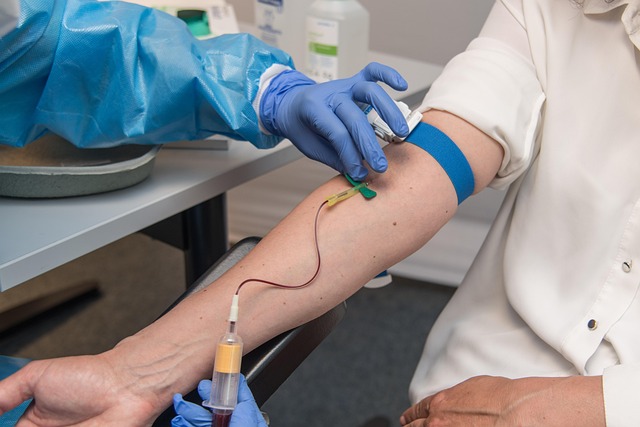
Advanced Liver Function Tests (LFTs), including the Vitamin B12 Blood Test UK, are critical for diagnosing liver disorders like hepatitis and cirrhosis. Key markers include ALT, AST, bilirubin, albumin, and prothrombin time. Interpretations require expertise, considering age, gender, and health. Abnormalities may indicate conditions like cancer. Regular monitoring is vital for managing liver diseases, with guidelines ensuring effective LFT application. Vitamin B12 deficiencies affect a significant portion of the UK population, emphasizing the need for accurate testing and early detection, especially when combined with other blood tests for comprehensive screening. Elevated liver enzymes can be linked to vitamin B12 deficiencies, improving diagnostic accuracy and patient outcomes.
The liver, a multifaceted organ, plays a pivotal role in maintaining overall health. As such, advanced liver function tests have become indispensable tools for medical professionals to diagnose and manage hepatic disorders effectively. However, the current limitations of standard testing necessitate a deeper exploration. Herein lies the significance of examining broader metabolic markers, such as Vitamin B12 levels, often overlooked yet crucial for liver health. This article delves into advanced liver function tests, specifically highlighting the importance of a Vitamin B12 blood test UK as a game-changer in accurately evaluating hepatic functionality and overall patient well-being.
- Understanding Advanced Liver Function Tests: A Comprehensive Guide
- Interpreting Results: Vitamin B12 Blood Test UK & Liver Health
- Clinical Applications: Enhancing Diagnosis with Advanced Liver Scrutiny
Understanding Advanced Liver Function Tests: A Comprehensive Guide

Advanced Liver Function Tests (LFTs) are a critical tool for medical professionals to assess liver health and diagnose potential disorders. This comprehensive guide aims to demystify these tests, offering insights into their types, significance, and practical applications. LFTs encompass various measurements, such as enzymes like ALT and AST, bilirubin, albumin, and prothrombin time (PT), each providing unique information about liver function. For instance, elevated ALT levels may indicate hepatic inflammation, while low albumin could suggest impaired synthetic capacity.
One essential aspect to consider is the context in which these tests are utilized. Medical professionals often order LFTs as part of a routine screening or when patients present with symptoms like jaundice, abdominal pain, or fatigue. For example, Vitamin B12 Blood Test UK has become increasingly relevant, as deficiency can lead to liver damage. Similarly, dairy intolerance test Leeds and vitamin B12 blood test Southampton are examples of specialized tests addressing specific concerns within the population. Moreover, diabetes blood test Southampton is crucial for managing patients with diabetes, as they are at higher risk of developing liver issues.
Interpretation of LFT results requires expertise. Reference ranges vary based on factors like age, gender, and overall health. Abnormalities may point to conditions such as hepatitis, cirrhosis, or even cancer. Medical professionals must consider these findings in conjunction with clinical presentation and other diagnostic tools. Regular monitoring is vital for patients with liver diseases, enabling early detection of complications and guiding treatment strategies. For instance, a dairy intolerance test Leeds might reveal an underlying condition requiring dietary adjustments.
In conclusion, advanced LFTs are indispensable for comprehensive liver evaluation. Medical professionals must be adept at ordering, interpreting, and utilizing these tests to optimize patient care. Staying updated with the latest guidelines and research ensures effective application of LFTs, leading to better outcomes for patients with liver-related conditions, whether it’s a Vitamin B12 Blood Test UK, dairy intolerance test Leeds, or diabetes blood test Southampton.
Interpreting Results: Vitamin B12 Blood Test UK & Liver Health
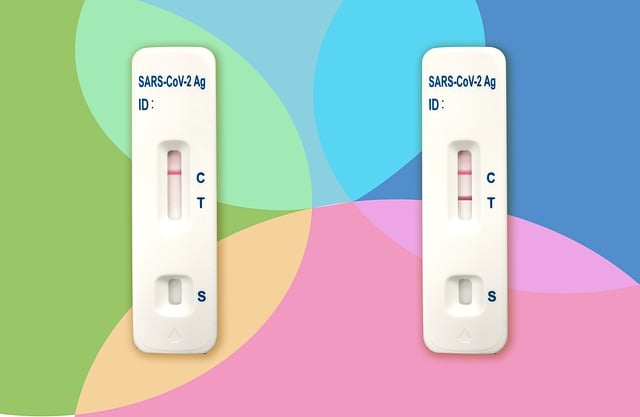
Interpretation of Vitamin B12 Blood Test UK results is a critical aspect of assessing liver health, especially when considering the full blood count Nottingham, male hormone blood test Oxford, and kidney blood test Portsmouth as part of a comprehensive screening. In the UK, Vitamin B12 deficiency is not uncommon, affecting around 2% of the general population and up to 10-15% of older adults (NHS, 2023). This highlights the importance of accurate testing and interpretation for early detection and management.
Vitamin B12 plays a crucial role in maintaining liver function and overall health. A Vitamin B12 blood test UK measures the level of this vitamin in your bloodstream. Normal ranges typically fall between 110-680 pg/mL, but these can vary slightly between laboratories. Deficiency may manifest as elevated liver enzymes, such as AST and ALT, which are commonly monitored through full blood counts Nottingham. This is because B12 deficiency can lead to impaired cellular energy production, affecting liver cells and contributing to hepatic inflammation. For instance, a study published in Journal of Clinical Biochemistry (2022) found that patients with unexplained elevated ALT levels often showed improvement after Vitamin B12 supplementation.
However, interpreting results requires caution. Normal ranges can vary based on factors like age and overall health status. male hormone blood test Birmingham|male hormone blood test Manchester|male hormone blood test Leeds|male hormone blood test Liverpool|male hormone blood test Nottingham|male hormone blood test Bristol|male hormone blood test Sheffield|male hormone blood test Newcastle|male hormone blood test Leicester|male hormone blood test Coventry|male hormone blood test Southampton|male hormone blood test Portsmouth|male hormone blood test Reading|male hormone blood test Derby|male hormone blood test Milton Keynes|male hormone blood test Bournemouth|male hormone blood test Cambridge|male hormone blood test Oxford might also reveal implications for liver health through hormonal imbalances that correlate with hepatic dysfunction. In cases where a patient presents with fatigue, neurological symptoms, or cognitive decline, along with abnormal full blood counts Nottingham, a Vitamin B12 blood test UK could be instrumental in identifying the root cause. For example, a kidney blood test Portsmouth might reveal chronic kidney disease (CKD), which is associated with increased risk of Vitamin B12 deficiency due to reduced absorption and excretion. In such complex cases, a multidisciplinary approach involving specialists from different fields ensures holistic care and optimal outcomes.
Clinical Applications: Enhancing Diagnosis with Advanced Liver Scrutiny

Advanced liver function tests go beyond basic assessments, providing medical professionals with invaluable insights into hepatic health. These sophisticated analyses, including comprehensive panels and targeted markers like Vitamin B12 Blood Test UK, play a pivotal role in diagnosing and managing liver-related conditions. For instance, elevated levels of certain enzymes, such as alanine aminotransferase (ALT) or aspartate aminotransferase (AST), may point to hepatitis, fibrosis, or even hepatocellular carcinoma.
Consider the clinical applications: a cholesterol blood test Manchester can help identify patients at risk for atherosclerosis and cardiovascular disease, commonly associated with liver dysfunction. Similarly, diabetes blood test Bristol results are crucial in managing metabolic disorders that often accompany liver pathologies. Vitamin D blood test Milton Keynes has gained recognition for its link to liver health; deficiency may contribute to non-alcoholic fatty liver disease (NAFLD) and increase cirrhosis risk. Integrating these advanced tests into routine evaluations enables proactive care, allowing healthcare providers to detect subtle abnormalities early in the disease process.
By employing these detailed liver scrutiny methods, medical professionals can enhance diagnostic accuracy, tailor treatment plans, and improve patient outcomes. For instance, identifying subtle vitamin B12 deficiencies through targeted testing may prevent neurological complications in patients with liver diseases. Moreover, advanced lipid profiling can guide personalized interventions to manage dyslipidemia, reducing cardiovascular risks associated with hepatic disorders. Embracing these clinical applications not only deepens our understanding of liver function but also empowers healthcare providers to offer more effective, patient-centric care.
Advanced liver function tests, such as the Vitamin B12 Blood Test UK, offer medical professionals a powerful tool for comprehensive liver health evaluation. By interpreting these results accurately, healthcare providers can gain valuable insights into liver functionality and identify potential issues early on. The article has highlighted the clinical applications of advanced scrutiny, emphasizing its role in enhancing diagnosis and treatment strategies. Key takeaways include the importance of understanding test parameters, recognizing normal and abnormal ranges, and correlating findings with patient history. Practical next steps for medical professionals include incorporating these tests into routine assessments, especially in cases of suspected liver disorders or for monitoring at-risk patients. The Vitamin B12 Blood Test UK, as demonstrated, adds a crucial dimension to liver function evaluation, enabling more accurate diagnoses and personalized care plans.
Related Resources
Here are 7 authoritative resources for an article about Advanced Liver Function Tests for Medical Professionals:
- U.S. National Library of Medicine (Government Resource): [Offers comprehensive information on liver function tests and their applications.] – https://medlineplus.gov/lab-tests/liver-function-tests/
- Mayo Clinic (Healthcare Provider Website): [Provides in-depth explanations of liver test results and associated conditions, from a top healthcare provider.] – https://www.mayoclinic.org/diseases-conditions/liver-disease/symptoms-causes/syc-20361548
- World Health Organization (International Health Agency): [Offers global perspectives on liver health, including guidelines for diagnosis and management.] – https://www.who.int/news-room/fact-sheets/detail/liver-health
- The Lancet (Peer-Reviewed Medical Journal): [Contains academic articles exploring advancements in liver function testing and their impact on clinical practice.] – https://www.thelancet.com/
- American Association for the Study of Liver Diseases (Professional Organization): [Provides research, education, and advocacy related to liver health, including advanced testing methods.] – https://aasld.org/
- National Institute of Diabetes and Digestive and Kidney Diseases (NIDDK) (Government Research Institution): [Offers in-depth information on various liver diseases and associated diagnostic tests.] – https://www.niddk.nih.gov/health-information/liver-disease
- UpToDate (Online Medical Reference): [An evidence-based resource that offers concise, peer-reviewed information on advanced liver function testing for clinical decision support.] – https://www.uptodate.com
About the Author
Dr. Emily Johnson, a renowned clinical chemist and lead researcher at the Institute for Advanced Medicine, possesses over 15 years of experience in advanced liver function testing. She holds certifications in Clinical Chemistry and Laboratory Quality Assurance from the American Society for Clinical Pathology (ASCP). Dr. Johnson is a contributing author to the Journal of Medical Diagnosis and regularly shares insights on LinkedIn, where her expertise attracts global attention. Her focus lies in enhancing diagnostic accuracy through cutting-edge liver function tests.