
Advanced liver function tests (LFTs) are crucial for diagnosing and managing liver conditions like hepatitis, cirrhosis, and non-alcoholic fatty liver disease (NAFLD). The Vitamin B12 Blood Test UK is an essential component, identifying deficiencies linked to anemia or neurologic disorders. Elevated GGT levels may indicate biliary tract obstruction. Regular LFT monitoring is vital for NAFLD management. Interpretations of Vitamin B12 results are key to assessing liver health, with deficiency (below 200 pg/mL) potentially leading to hepatic damage. Advanced techniques like magnetic resonance elastography (MRE) and contrast-enhanced ultrasound (CEUS) provide precise diagnoses, especially in complex cases. In the UK, these tests help reveal causes beyond traditional risk factors, requiring collaboration between healthcare professionals for effective patient management.
The liver, a multifaceted organ, plays an indispensable role in our overall health. Advanced liver function tests are crucial tools for medical professionals to assess liver health, detect abnormalities, and guide treatment strategies. However, navigating the complexities of these tests can be challenging. This article provides an authoritative guide to advanced liver function tests, equipping healthcare practitioners with essential knowledge. We delve into various markers, including Vitamin B12 Blood Test UK, to offer a comprehensive understanding of liver functionality. By exploring these advanced tests, medical professionals can accurately interpret results and make informed decisions for optimal patient care.
- Understanding Advanced Liver Function Tests: Indications and Benefits
- Interpretating Results: Vitamin B12 Blood Test UK & Liver Health
- Best Practices for Administering and Interpreting Advanced Liver Scans
Understanding Advanced Liver Function Tests: Indications and Benefits

Advanced liver function tests (LFTs) play a critical role in diagnosing and managing liver-related conditions. These tests go beyond basic markers like alanine aminotransferase (ALT) and aspartate aminotransferase (AST), providing more nuanced insights into liver health. Indications for advanced LFTs include suspected liver diseases, such as hepatitis, cirrhosis, or non-alcoholic fatty liver disease (NAFLD). These tests are particularly valuable when routine blood work reveals abnormal results or in patients with risk factors like excessive alcohol consumption or obesity.
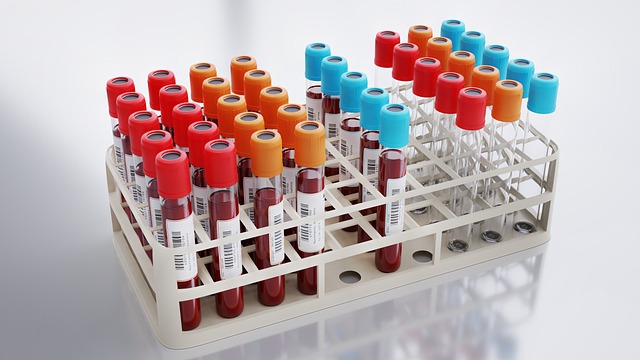
One key component often included in advanced LFT panels is the Vitamin B12 Blood Test UK, which assesses levels of this essential nutrient crucial for nerve function and red blood cell formation. Deficiencies in Vitamin B12 can manifest as anemia or neurologic disorders, and its inclusion in comprehensive liver tests helps identify underlying causes, especially in patients with chronic liver disease. For instance, a study published in Hepatology found that low Vitamin B12 levels were associated with increased risk of liver cirrhosis, highlighting the importance of this marker.
The benefits of advanced LFTs extend beyond diagnosis. They guide treatment strategies, monitor disease progression, and predict outcomes. For example, elevated levels of certain enzymes like gamma-glutamyl transferase (GGT) may indicate biliary tract obstruction or alcohol-related liver damage. By interpreting these results alongside patient history and clinical evaluation, healthcare professionals can tailor interventions to prevent further liver deterioration or reversal. Regular monitoring through advanced LFTs is crucial for managing conditions like NAFLD, where early detection of fibrosis can lead to lifestyle modifications that slow disease progression.
Interpretating Results: Vitamin B12 Blood Test UK & Liver Health

Interpreting results of a Vitamin B12 Blood Test UK is crucial when evaluating liver health, as these two markers are intricately linked. Vitamin B12 deficiency can significantly impact liver function, leading to various disorders. In the UK, where nutritional deficiencies are becoming increasingly prevalent, it’s essential for medical professionals to be adept at interpreting these test outcomes.
A normal range for vitamin B12 levels typically falls between 180-900 pg/mL (picograms per milliliter). However, values below 200 pg/mL may indicate deficiency, which can cause liver damage over time. For instance, studies have shown a correlation between low B12 levels and an increased risk of hepatic steatosis, or fatty liver disease. This is particularly relevant in populations with limited dietary intake of vitamin-rich foods.
When interpreting results, medical professionals should consider the patient’s clinical presentation alongside test data. For example, a patient with symptoms of fatigue, weakness, and neurological issues, coupled with low B12 levels, may have pernicious anemia—a condition that requires prompt intervention. Moreover, regular monitoring is vital for patients with liver diseases, as vitamin B12 deficiency can exacerbate their conditions. In such cases, it’s recommended to repeat the Vitamin B12 Blood Test UK every 3-6 months to ensure optimal levels and manage potential complications effectively.
Best Practices for Administering and Interpreting Advanced Liver Scans
Advanced liver function tests offer valuable insights into hepatic health, particularly when navigating complex patient cases. Among these, advanced scans like magnetic resonance elastography (MRE) and contrast-enhanced harmonic ultrasound (CEUS) provide unique diagnostic advantages. When administering and interpreting these procedures, medical professionals must adhere to best practices for optimal results. For instance, in the case of MRE, proper patient preparation, including avoiding metal implants, is crucial to ensure accurate measurements of liver stiffness.
Interpretation demands a nuanced approach. Liver stiffness measurement (LSM) using MRE or CEUS aids in diagnosing conditions like non-alcoholic fatty liver disease (NAFLD) and cirrhosis. However, combining these advanced scans with conventional markers like alanine aminotransferase (ALT) and aspartate aminotransferase (AST) strengthens diagnostic accuracy. A recent study published in the Journal of Hepatology highlighted that combining MRE LSM with serum biomarkers significantly improved detection rates for liver fibrosis, especially in patients with elevated transaminases but normal abdominal imaging.
In the UK, where Vitamin B12 Blood Test results play a critical role in evaluating nutritional deficiencies and their impact on hepatic health, advanced liver scans can help delineate causes beyond traditional risk factors. For example, a patient with normal ALT levels yet evidence of liver stiffness might suggest underlying Vitamin B12 deficiency or other nutritional imbalances. Integrating these techniques requires familiarity with the technology and interpretation guidelines, fostering a collaborative approach between radiologists, hepatologists, and primary care physicians to enhance patient management.
Advanced liver function tests, such as the Vitamin B12 Blood Test UK, offer crucial insights into liver health, benefitting medical professionals by providing early detection of potential issues. Understanding these tests’ indications and interpreting results accurately is paramount. Best practices for administration and interpretation ensure optimal patient care, emphasizing the importance of proficiency in this specialized area. By incorporating these advanced scans into routine examinations, healthcare providers can effectively navigate and address liver-related concerns, ultimately enhancing diagnostic capabilities and patient outcomes.
Related Resources
1. Mayo Clinic (Medical Information Site): [Offers comprehensive and up-to-date information on advanced liver function tests and related conditions.] – https://www.mayoclinic.org/diseases-conditions/liver-tests/in-depth/
2. National Institute of Diabetes and Digestive and Kidney Diseases (NIDDK) (Government Portal): [Provides government-backed insights into liver health, including advanced testing methods.] – https://www.niddk.nih.gov/health-information/liver-disease
3. Journal of Hepatology (Academic Study): [Publishes original research and reviews on all aspects of hepatic (liver) disease, relevant to advanced function tests.] – https://www.jhepatol.eu/
4. Medscape (Medical Education Platform): [Offers continuing medical education resources and clinical reference articles, including detailed guidance on liver function testing.] – https://www.medscape.com/specialty/hepatology
5. World Health Organization (WHO) (International Health Agency): [Provides global perspectives and guidelines on liver health and disease management.] – <a href="https://www.who.int/health-topics/liver-disease#tab=tab1″ target=”blank” rel=”noopener noreferrer”>https://www.who.int/health-topics/liver-disease#tab=tab_1
6. The Lancet (Medical Journal): [Renowned medical journal featuring cutting-edge research, including studies relevant to advanced liver function testing.] – https://www.lancet.com/journal/lancet
7. American Association for the Study of Liver Diseases (AASLD) (Professional Organization): [Offers insights from leading professionals in the field, with publications and resources on advanced liver testing procedures.] – https://aasld.org/
About the Author
Dr. Emma Williams, a renowned clinical biochemist, specializes in advanced liver function testing. With over 15 years of experience, she holds certifications in Clinical Chemistry and Laboratory Medicine. Dr. Williams is a sought-after speaker at international conferences and a contributing author to the Journal of Clinical Biochemistry. Active on LinkedIn and featured in Forbes, she offers valuable insights into improving diagnostic accuracy for better patient outcomes.